

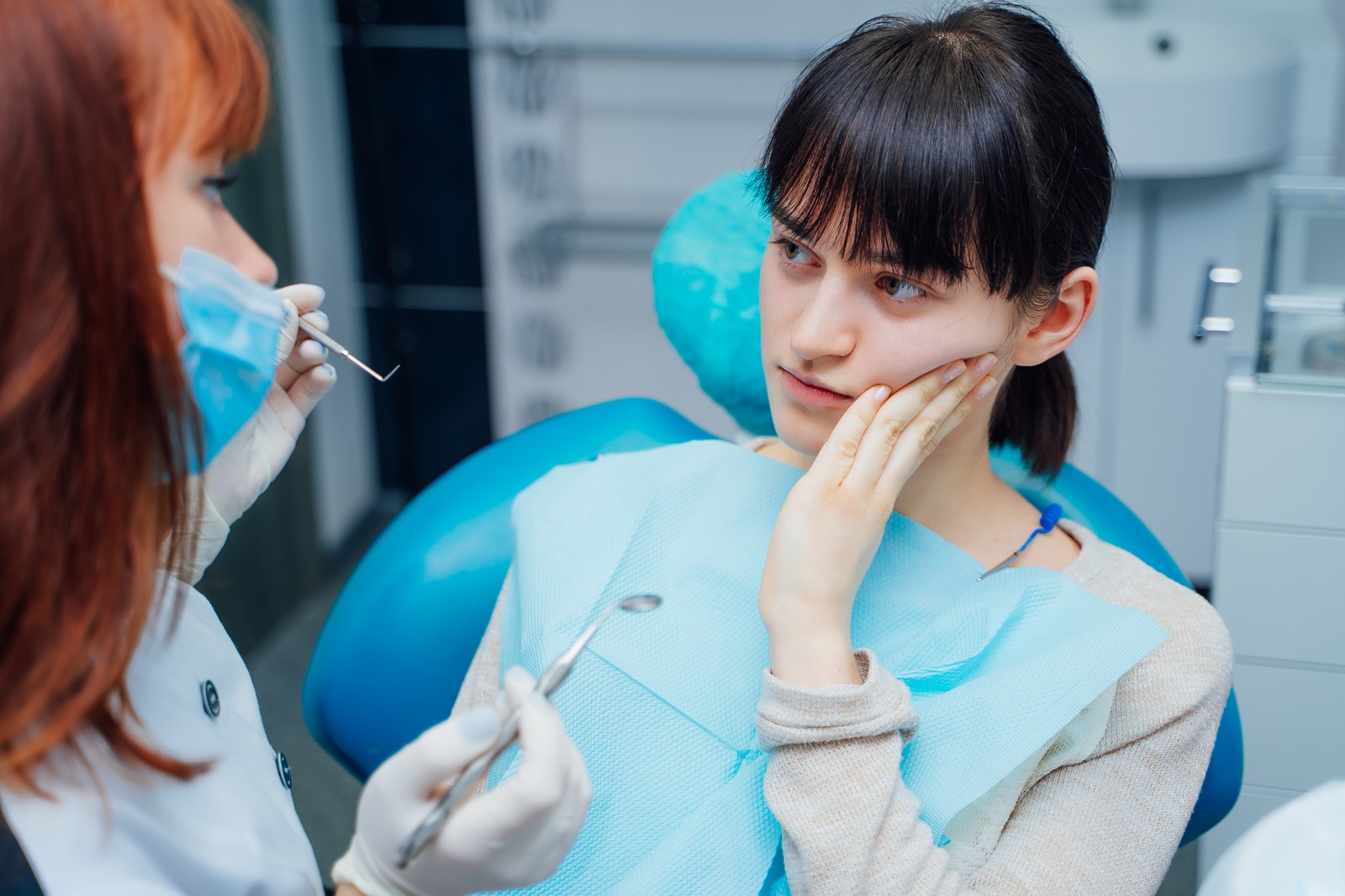
Best dental clinic I have ever been to! Not only is the dental staff extremely nice and polite, but Dr. Mariana Blagoev is such a kind-hearted individual. I was able to witness her transform a friend’s old filling into a new, much improved one with no pain whatsoever. Even though my friend gets extremely anxious around Dentists, Dr. Mariana was able to calm and reassure my friend multiple times, allowing her to feel completely relaxed. I was also happy with how Dr. Mariana took her time with the fillings to ensure absolute perfection, which unfortunately not many dentists do. The new fillings completely transformed my friend’s smile, and thanks to Dr. Mariana, my friend is able to smile confidently now. 100% recommend!

Dental problems rarely show up at a convenient time. Pain can start in the middle of the night. Accidents can happen during a meal or a game.
Many people pause and ask themselves the same question in that moment: what is a dental emergency, and does this situation need immediate care?
The answer is not always straightforward. Some issues feel severe but can safely wait a day. Others appear minor at first, yet quickly develop into something more serious. Knowing how to tell the difference can protect your health and your smile.
At Bright Smiles Dental, we often meet patients who wish they had acted sooner. A small delay can sometimes lead to a more complicated problem. Understanding the signs helps you make quicker decisions and feel more in control when something unexpected happens.
This guide walks through what qualifies as an emergency, how to recognize warning signs, and what steps to take before you reach a dentist.
Understanding What Counts as a Dental Emergency
A dental emergency refers to a situation that requires prompt attention to relieve pain, stop bleeding, or prevent further damage. In some cases, it may also involve an infection that can spread if it is not treated quickly.
When people ask, “What is a dental emergency?” the most accurate answer comes down to urgency and risk. Some dental concerns can safely wait for a scheduled appointment, while others need immediate care to avoid long-term complications.
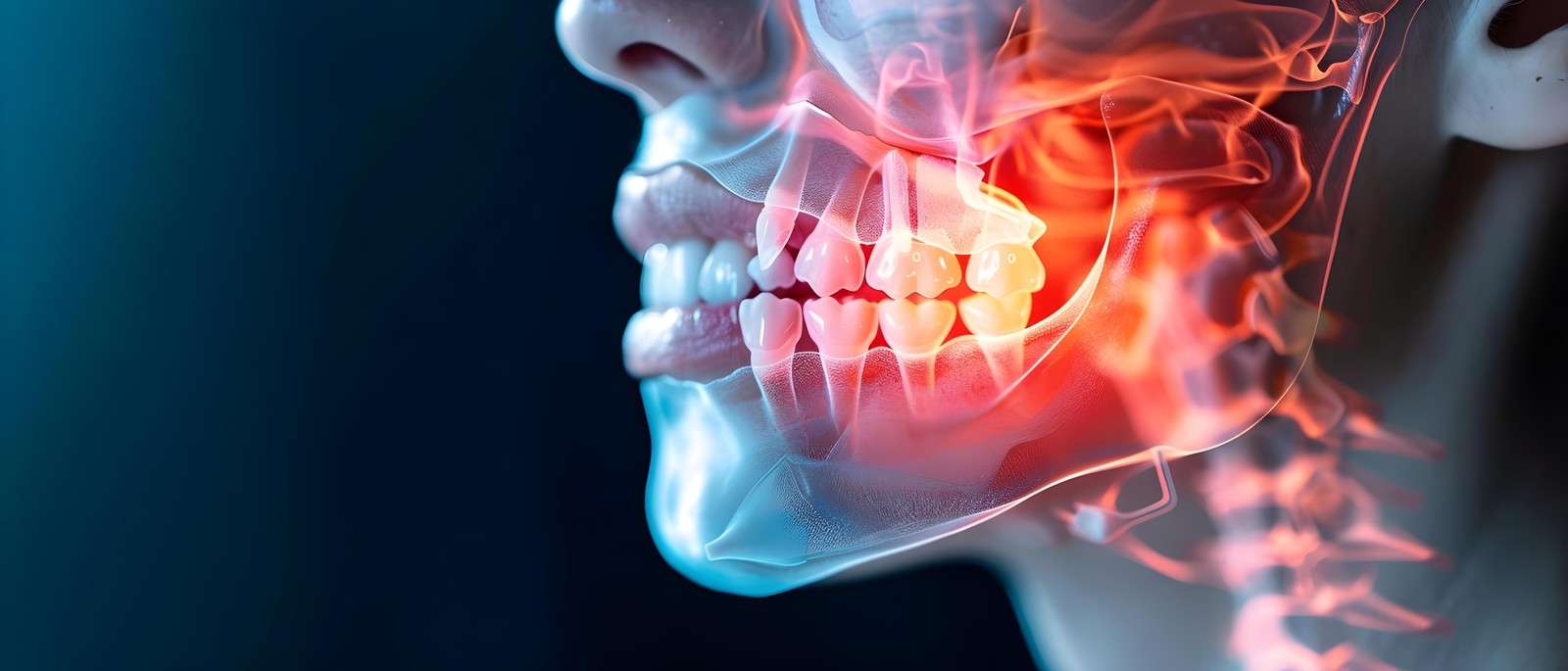
Pain is often the first warning sign. Severe or persistent discomfort that does not improve may indicate a deeper underlying issue. Swelling, bleeding, or trauma are also clear indicators that something is wrong and should not be ignored.
A dental emergency can also involve potential risk to the tooth or surrounding tissue. A damaged tooth will not heal on its own, and an infection can extend beyond the tooth to nearby areas. Acting early often leads to simpler treatment and more positive outcomes.
Why Recognizing an Emergency Matters
Time plays a major role in dental care, and acting early can significantly influence how a problem is treated and the outcome that follows.
A knocked-out tooth, for example, has a very short window for successful reattachment. Waiting too long reduces the chances of saving it. The same concern applies to infections, which can spread if they are not addressed promptly.
Delays often make symptoms worse as well. Pain may intensify, and swelling can increase over time. What starts as a manageable issue can quickly develop into a more complex and difficult situation.
Recognizing the signs early helps you respond appropriately and take the right steps without hesitation. It also reduces unnecessary stress during an already challenging moment.
Common Signs You Should Not Ignore
Your body often gives clear signals when something is wrong, and dental emergencies usually come with symptoms that are hard to miss.
Persistent tooth pain is one of the most common signs. It may feel sharp, throbbing, or constant, and it can worsen when you bite or touch the area.
Swelling in the gums or face can also indicate a problem, often related to infection or inflammation. In some cases, swelling may spread beyond the initial area. Bleeding that does not stop is another warning sign. While minor bleeding from brushing can happen, ongoing bleeding after an injury or procedure needs attention.
Sensitivity to hot or cold temperatures may point to underlying tooth damage, especially if the reaction is sudden or intense.
A bad taste or persistent odor in the mouth can also signal infection and may occur with pus or discharge near the affected area. These symptoms indicate that something needs prompt evaluation, and ignoring them can lead to more serious complications.
- Severe Toothaches and What They Mean
Tooth pain can range from mild discomfort to intense, throbbing pain. Severe pain often indicates an underlying issue that requires prompt attention. A deep cavity may expose the inner layers of the tooth, leading to increased sensitivity and pain. In some cases, the pulp inside the tooth becomes inflamed or infected.
An abscess is another common cause. This is a pocket of infection that forms at the root of the tooth and can cause swelling, significant pain, and sometimes fever. Pain that disrupts sleep or daily activities often suggests the problem has progressed beyond an early stage.
Pain relief may reduce discomfort temporarily, but it does not address the underlying cause.
- Dislodged tooth and Urgent Action
A dislodged tooth is one of the most time-sensitive dental emergencies, and quick action can greatly improve the chance of saving it. The first few minutes after the injury are especially important, since the condition of the tooth and surrounding tissue can change quickly.
The tooth should be handled carefully by the crown, not the root, to avoid damaging the cells needed for reattachment. Gentle rinsing with clean water helps remove dirt or debris without scrubbing or damaging the surface. Keeping the tooth moist is essential, and placing it in milk or a proper storage solution can help preserve it until dental care is reached.
Time is critical in this situation. Seeking treatment within an hour offers the best chance of successful reattachment, although prompt care is still valuable even after that window.
Even if the tooth cannot be saved, early attention helps manage pain, protect surrounding tissues, and determine the most appropriate next steps for restoration or replacement options.
- Broken or Cracked Teeth
Teeth can break or crack due to accidents, hard foods, or sudden impact. The severity can vary from minor chips to deeper fractures.
Even small chips may not cause pain but still require attention. Larger cracks can expose inner layers of the tooth and lead to discomfort, especially when biting or chewing. Some cracks are not visible and may only be detected during an exam.
Leaving a cracked tooth untreated increases the risk of infection and further structural damage.
- Lost Fillings, Crowns, or Restorations
Dental restorations can loosen or fall out over time. A lost filling or crown may not always cause immediate pain, but it exposes the tooth and increases sensitivity. This exposure also raises the risk of decay or further damage.
The tooth may feel rough or uneven, and chewing on that side can become uncomfortable. Temporary protection of the area can help reduce irritation, but professional care is needed to restore the tooth and prevent complications.
- Dental Abscess and Infection
A dental abscess is a serious infection that often shows up as swelling near the tooth or gum. Pain can be severe and may be accompanied by fever or a bad taste in the mouth.
If left untreated, the infection can spread to surrounding tissues and lead to more serious health complications, making prompt care important.
- Injuries to the Gums, Lips, or Jaw
Dental emergencies are not limited to teeth. Injuries to the gums, lips, or jaw also require attention. Cuts or tears in the soft tissues can bleed and cause discomfort. Applying pressure and gently cleaning the area can help control bleeding.
Jaw injuries may affect how the mouth opens or closes and can present with pain, swelling, or misalignment. These injuries often occur during accidents or sports and should be evaluated to determine the extent of damage and appropriate treatment.
What to Do Immediately During a Dental Emergency
Knowing how to respond can make a stressful situation easier to manage. Calm, quick action helps stabilize the issue until professional care is available.
Rinsing the mouth with clean water helps remove debris. A cold compress can reduce swelling and discomfort. Pain relief medication may help manage symptoms when used as directed. Aspirin should not be placed directly on the gums, as it can irritate the tissue.
If a tooth is damaged or knocked out, handle it carefully and keep any fragments or the full tooth if possible. This can improve treatment options. These steps help protect the area until you can see a dental professional.
When to Seek Immediate Care
Some situations require urgent attention. Severe pain, swelling, or uncontrolled bleeding are clear warning signs. Difficulty breathing or swallowing may indicate a serious infection and requires immediate medical care. A knocked-out tooth or significant facial or dental trauma should also be treated as soon as possible.
When there is uncertainty, seeking care is the safer choice. Early evaluation helps identify the problem quickly and prevents it from becoming more serious.
How Dental Emergencies Affect Daily Life
A dental emergency affects more than just the teeth. It can disrupt normal routines and make everyday activities like eating, speaking, and concentrating more difficult.
Pain often becomes the main focus, making it hard to sleep or stay focused. Eating may feel uncomfortable, especially when chewing. There can also be a social impact, as swelling or visible damage may make smiling or speaking feel uncomfortable or self-conscious.
Daily habits may also change. People may avoid certain foods or rely on one side of the mouth, which can create uneven strain over time.
The Connection Between Oral Health and Overall Health
Dental emergencies often highlight the connection between oral health and overall well-being. The mouth is closely linked to the rest of the body, and an untreated infection can extend beyond the tooth into surrounding tissues and, in more serious cases, the bloodstream.
Inflammation in the gums has also been associated with broader health conditions, including heart disease and diabetes. Pain and infection can place stress on the body as well, affecting overall function, increasing stress levels, and placing additional demand on the immune system.
Special Considerations for Children and Families
Dental emergencies can feel more stressful when children are involved. Kids may not always be able to clearly describe what they are feeling, which makes quick recognition and response especially important.
Falls, sports injuries, and everyday play often lead to chipped or dislodged teeth, and these situations can happen suddenly. Children may also feel scared or anxious during an emergency, so staying calm and offering reassurance can help them feel more secure.
A family-oriented dental setting can make these situations easier to manage. Familiar care helps both parents and children feel more comfortable, and being prepared as a family makes it easier to respond effectively when unexpected situations occur.
Long-Term Impact of Delayed Treatment
Delaying treatment for a dental emergency can lead to complications that develop gradually but become more serious over time. What begins as a minor concern may seem manageable at first, yet it often progresses in ways that are harder to control later.
A small crack in a tooth, for example, can slowly deepen with normal chewing and daily use. Over time, this can expose inner structures of the tooth and increase the risk of infection or structural breakdown.
Similarly, a cavity that is not treated early can spread into deeper layers, leading to more extensive decay and potential damage to the tooth’s nerve. Infections can also worsen, often bringing increased swelling, persistent pain, and greater overall discomfort.
Delays in care also tend to make treatment more involved. When issues are addressed early, simpler and less invasive options are often enough. However, more advanced problems may require complex procedures, additional appointments, and a longer recovery period.
Preventing Dental Emergencies
While not every dental emergency can be prevented, many risks can be significantly reduced with consistent care and attention to daily habits. Regular dental visits are one of the most effective ways to detect problems early, which allows small issues to be treated before they develop into more serious conditions.
Protective habits also play an important role. Wearing mouthguards during sports helps reduce the risk of injury, especially from falls or impacts. Being mindful of what you eat, particularly avoiding very hard foods that can crack teeth, further lowers the chance of sudden damage. Good oral hygiene remains essential as well, since brushing and flossing help maintain the strength and health of both teeth and gums over time.
Every day habits matter too. Avoiding actions like chewing ice or using teeth as tools helps prevent unnecessary wear and fractures. Prevention is ultimately about reducing avoidable risks while maintaining long-term dental stability and strength.
The Role of Professional Dental Care
Professional dental care is central to both managing emergencies and maintaining long-term oral health. Dentists are trained to evaluate symptoms accurately, identify underlying causes, and determine the most appropriate treatment based on the situation.
Some conditions require immediate attention to relieve pain or prevent further damage, while others are managed through scheduled follow-up visits. The approach depends on the severity and type of issue, as well as how quickly it is addressed.
Modern dental practices also use advanced diagnostic tools that improve accuracy and help guide treatment decisions. This leads to more precise care and better outcomes. Having access to a trusted dental team during urgent situations can make a meaningful difference.
Final Thoughts from Bright Smiles Dental
Dental emergencies can happen without warning. Knowing how to respond helps protect your health and your smile. At Bright Smiles Dental, we believe care should feel approachable during urgent moments. Our team offers multispecialty dental care in one location.
We use modern technology to guide diagnosis and treatment. Our bilingual staff helps patients feel understood and comfortable.
Flexible financing options make care more accessible. We aim to create an experience that feels supportive from start to finish. If you ever face a dental emergency, reaching out can help you take the next step with confidence. A simple call or appointment request connects you with a team ready to help.
