

Best dental clinic I have ever been to! Not only is the dental staff extremely nice and polite, but Dr. Mariana Blagoev is such a kind-hearted individual. I was able to witness her transform a friend’s old filling into a new, much improved one with no pain whatsoever. Even though my friend gets extremely anxious around Dentists, Dr. Mariana was able to calm and reassure my friend multiple times, allowing her to feel completely relaxed. I was also happy with how Dr. Mariana took her time with the fillings to ensure absolute perfection, which unfortunately not many dentists do. The new fillings completely transformed my friend’s smile, and thanks to Dr. Mariana, my friend is able to smile confidently now. 100% recommend!
Questions about restorative dental care often come up when tooth pain, damage, or sensitivity starts to interfere with daily life. Dental concerns can feel confusing when terms sound technical or unfamiliar. Understanding basic restorative dental work gives you clarity about how dentists repair damage and restore comfort before problems grow more serious. Knowledge helps you feel more confident when discussing treatment options and timing. This guide breaks down restorative care in clear, patient-friendly language so you know what it involves, why it matters, and how it supports long-term oral health.
What Does “Basic Restorative Dental Work” Mean?
Basic restorative dental work focuses on repairing teeth affected by decay, fractures, or wear so that daily function feels comfortable again. Treatment aims to rebuild strength and shape while preserving as much natural tooth structure as possible during dental visits and ongoing maintenance care. Restorative care addresses health needs rather than appearance alone, though improved looks often follow functional repairs over time for many patients. Early intervention limits the progression of damage and supports chewing, speech, and overall oral balance through stable alignment. Understanding this category helps you discuss options confidently and recognize why timely care protects long-term comfort and daily confidence.
Common Dental Problems That Require Restorative Treatment
Dental damage often begins in subtle ways that feel easy to ignore at first. Cavities form when decay weakens enamel and creates openings that trap bacteria and food debris. Cracked or chipped teeth may result from biting hard objects, grinding, or accidental injury. Worn enamel can develop over time and lead to sensitivity or changes in bite comfort. Missing teeth or failing older restorations also affect chewing balance and place added stress on surrounding teeth.
Types Of Basic Restorative Dental Procedures
Different restorative treatments are selected based on how much damage a tooth has and how it affects daily function. Dentists evaluate structure, bite pressure, and overall oral balance before recommending a solution. Knowing the role of each procedure helps you understand why certain options are suggested and how they support long-term comfort. This overview explains the most common approaches used to repair and strengthen teeth.
- Repairing Early Tooth Damage With Fillings
Small areas of decay or minor damage are often treated by removing weakened material and sealing the space with a durable filling. This process restores natural shape and function. Timely care reduces the risk of deeper decay and preserves surrounding tooth structure. - Protecting Weakened Teeth With Crowns
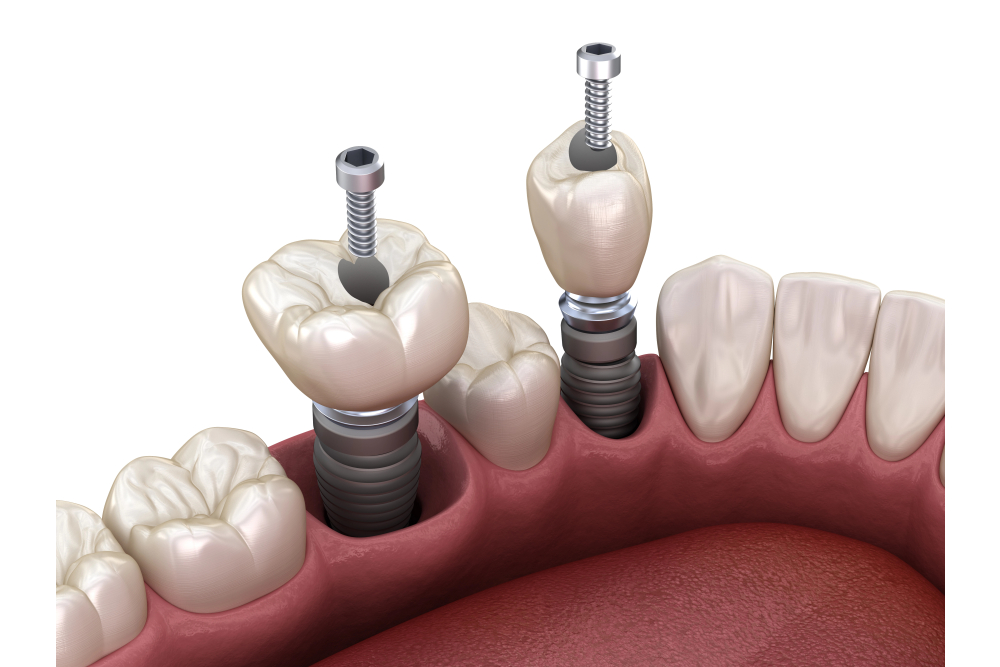
Teeth that have lost significant strength may need full coverage for support. A crown surrounds the tooth to restore stability and improve chewing performance. Added protection lowers the chance of fractures and helps the tooth handle daily pressure. - Replacing Missing Teeth With Bridges
Gaps left by missing teeth can disrupt bite balance and affect speech. A bridge places an artificial tooth between neighboring teeth to restore spacing. Proper alignment reduces strain on surrounding teeth and improves overall mouth function. - Addressing Moderate Damage With Inlays And Onlays
Some damage extends beyond what a filling can manage, but does not require full coverage. Inlays and onlays fit precisely within or over the tooth surface. This approach reinforces strength while preserving a more natural structure. - Treating Inner Tooth Infection Through Root Canal Care
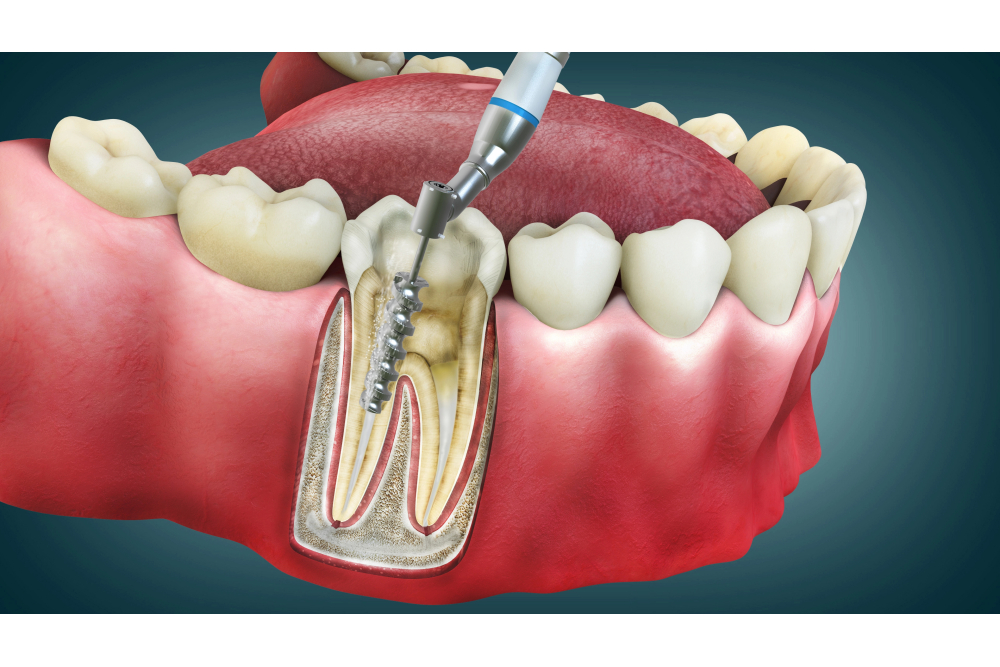
Deep infection inside a tooth can cause persistent pain and sensitivity. Root canal care removes damaged tissue and seals the interior to stop further spread. Restoring the tooth afterward allows comfortable use without ongoing discomfort.
How Restorative Dental Work Protects Your Oral Health
Restorative treatment plays a direct role in protecting your oral health beyond fixing visible damage and surface-level discomfort. Repairing weakened teeth helps stop bacteria from spreading deeper into the tooth structure and the surrounding tissue that supports stability. Proper restoration supports balanced chewing forces, which reduces stress on nearby teeth and jaw joints during daily use. Preserving natural teeth also limits the need for complex procedures later in life and protects long-term oral function. Consistent care improves comfort, supports nutrition, and helps your smile function the way it should for years ahead with greater confidence and reliability every day overall.
What Patients Can Expect During Restorative Dental Treatment
Appointments usually begin with a thorough evaluation that reviews symptoms, imaging, and overall tooth condition. Treatment planning follows, where options, timelines, and comfort considerations are explained in clear language. During the procedure, modern techniques and materials are used to restore structure while keeping discomfort minimal. Recovery varies by treatment type, though most patients return to normal routines quickly with simple aftercare guidance. Follow-up visits allow adjustments, healing checks, and long-term planning to keep restored teeth functioning comfortably and address changes early before small issues affect comfort, confidence, or daily function over time for long-lasting oral health outcomes.
How To Know When You Should Seek Restorative Dental Care
Changes in how your teeth feel or function often signal the need for professional attention. Ongoing sensitivity to hot or cold foods may point to enamel damage or decay beneath the surface. Discomfort while chewing, biting, or speaking can indicate structural weakness that affects daily use. Visible chips, cracks, or dark spots on teeth should never be ignored for long. Seeking care early helps limit progression and supports more comfortable, predictable treatment outcomes.
Ready To Restore Comfort And Confidence In Your Smile?
Understanding restorative care makes dental decisions feel more manageable and informed. This guide explained what restorative treatment involves, the dental problems that often lead to it, and how different procedures support long-term oral health. Knowing what to expect during treatment also helps reduce hesitation and builds confidence. Addressing concerns early often leads to simpler care and better comfort. Restorative dentistry focuses on helping your teeth function properly so that daily life feels easier.
At Bright Smiles Dental, we help patients with everything discussed in this guide, including fillings, crowns, bridges, root canal treatment, and dental implants when replacement becomes necessary. Our approach combines multispecialty dental care, modern technology, and clear communication so treatment plans feel practical and personal. Bilingual staff and flexible financing options make care more accessible for individuals and families. Every visit is guided by comfort, trust, and a focus on long-term oral health.
Schedule a visit with us today. A simple consultation can help you take the next step toward a healthier and more confident smile.