

Best dental clinic I have ever been to! Not only is the dental staff extremely nice and polite, but Dr. Mariana Blagoev is such a kind-hearted individual. I was able to witness her transform a friend’s old filling into a new, much improved one with no pain whatsoever. Even though my friend gets extremely anxious around Dentists, Dr. Mariana was able to calm and reassure my friend multiple times, allowing her to feel completely relaxed. I was also happy with how Dr. Mariana took her time with the fillings to ensure absolute perfection, which unfortunately not many dentists do. The new fillings completely transformed my friend’s smile, and thanks to Dr. Mariana, my friend is able to smile confidently now. 100% recommend!

Dental insurance often feels straightforward until treatment moves beyond routine checkups. Many patients only start asking questions once a filling, crown, or tooth replacement enters the conversation.
That is typically when restorative dental insurance becomes relevant. While most plans include some level of restorative benefits, the details are rarely explained in plain language.
Understanding how coverage works helps patients plan treatment with greater confidence and less uncertainty. Insurance policies tend to follow similar structures, even though coverage amounts differ between plans.
Knowing what restorative benefits usually include, how limitations apply, and what factors affect reimbursement allows for better planning and in case of any dental emergencies.
What Restorative Dental Care Is Designed to Do
Restorative dentistry centers on repairing teeth affected by decay, injury, or infection. It also addresses missing teeth that interfere with chewing, speech, or overall oral balance. The primary goal focuses on function and stability. Improvements in appearance often follow, but long-term oral health remains the priority.
Insurance providers treat restorative care differently from preventive services. Preventive care covers cleanings, exams, and diagnostic imaging. Restorative care begins once a tooth needs repair or replacement.
Since these procedures involve additional time, materials, and clinical expertise, insurance benefits follow a different structure.
Treatments Commonly Included Under Restorative Coverage
Most plans include benefits for procedures that repair damaged tooth structure or replace missing teeth. Fillings are commonly covered when decay weakens a tooth. Coverage levels vary by plan and may change depending on the material selected for treatment.
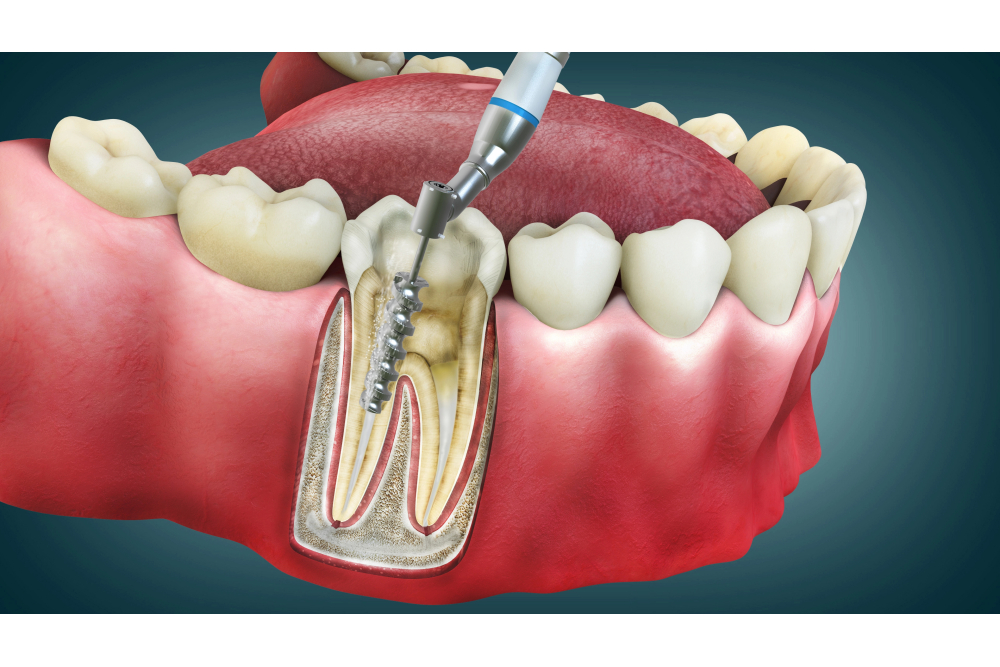
Crowns are another common restorative treatment. These are used when a tooth has extensive damage, a fracture, or has undergone root canal treatment. Insurance plans often contribute a percentage of the cost once deductibles are met.
Bridges replace one or more missing teeth by anchoring to neighboring teeth. These treatments typically fall under major restorative services. Coverage percentages are often lower than those for fillings, and waiting periods may apply.
Dentures are usually included when multiple teeth are missing. Many insurance plans set limits on how often dentures can be replaced. These timelines can influence long-term treatment planning.
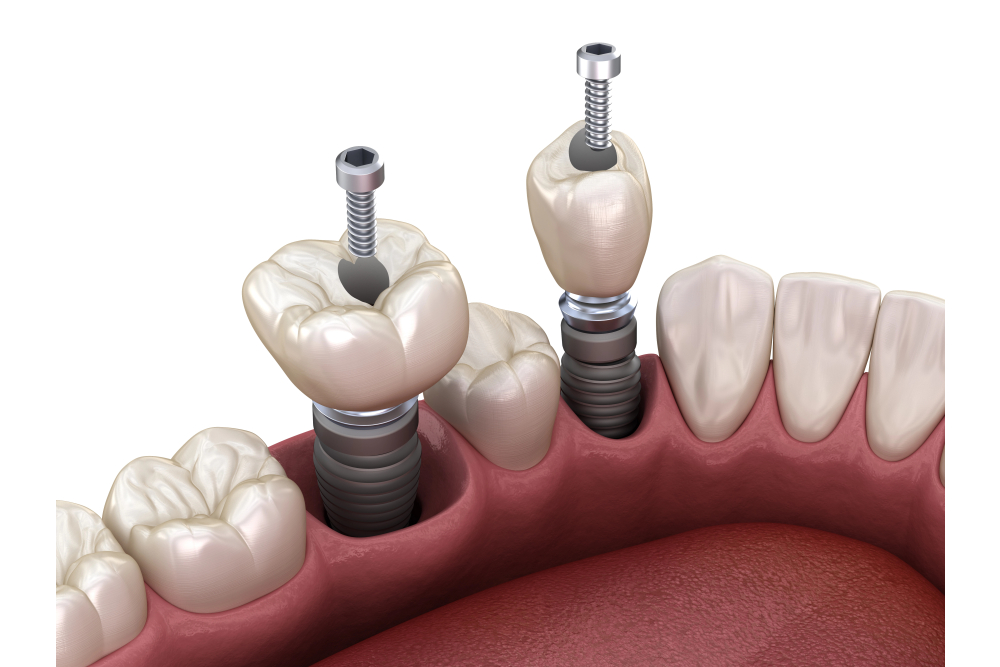
Dental implants receive varied coverage depending on the policy. Some plans contribute toward the crown placed on the implant, while others exclude implant placement entirely. Reviewing benefits early helps set realistic expectations before treatment discussions begin.
How Insurance Categories Shape Coverage
Insurance companies commonly organize restorative services into minor and major categories, which directly influences how coverage is applied. Minor restorative services typically include fillings and basic repairs, while major services cover procedures such as crowns, bridges, dentures, and implant-related treatment.
Because of this distinction, minor services often receive higher reimbursement percentages, whereas major services usually result in greater out-of-pocket costs for patients. Waiting periods also appear more frequently with major restorative care, particularly for newly issued policies.
Annual maximums further shape how much insurance contributes toward treatment. Once a plan reaches its yearly benefit limit, insurance payments pause until the next benefit year begins.
Waiting Periods and Policy Limitations
Waiting periods play an important role in restorative coverage and can significantly affect treatment scheduling. Many plans require several months before major restorative benefits become active, a structure designed to discourage enrollment only when immediate treatment is needed. These waiting periods can delay access to coverage even when care is clinically necessary.
Coverage limitations also apply to how often certain procedures qualify for benefits. Crowns and dentures usually follow replacement schedules that extend over several years, and treatment required outside those timelines may not receive insurance support.
Some policies also evaluate tooth condition at the time of enrollment, which means teeth that already show damage may receive reduced benefits.
Materials and Coverage Decisions
Insurance coverage often varies based on the materials selected during restorative treatment, which can directly affect overall costs. Standard materials typically qualify for the highest coverage allowances, while premium material options may result in additional out-of-pocket expenses.
Treatment recommendations always prioritize oral health needs and long-term function. Insurance guidelines influence how reimbursement is calculated, though they do not replace clinical judgment. Patients are best served when they understand how professional recommendations and insurance considerations intersect before making final decisions.
Emergency Restorative Care and Insurance
Dental emergencies frequently involve restorative treatment that requires prompt attention. Broken teeth, advanced decay, and infections often need immediate care to prevent further complications. Insurance generally applies the same restorative categories to emergency treatment as it does to planned procedures.
Coverage percentages usually remain consistent during emergency visits, although deductibles still apply. Emergency examinations may be billed separately from treatment.
How Estimates and Claims Work
Claims processing timelines vary among insurers, with some responses arriving quickly and others requiring more time. Patients remain responsible for any balances not covered by insurance. Clear communication throughout this process supports smoother decision-making and helps minimize billing surprises.
Multispecialty Care and Restorative Treatment
Certain restorative cases require coordination across multiple dental specialties to achieve optimal results. Complex treatment plans may involve surgical planning, prosthetic design, and cosmetic considerations working together. This level of coordination supports stronger outcomes and long-term stability.
Access to modern technology and advanced facilities also influences treatment planning. These factors shape clinical recommendations even when insurance coverage remains unchanged.
Balancing Insurance With Long-Term Oral Health
Insurance benefits play an important role in treatment decisions, though they should not be the sole consideration. Delaying care because of coverage limits can allow dental issues to progress into more extensive concerns. Addressing problems earlier often reduces discomfort and long-term expense.
Flexible financing options can help manage gaps between treatment costs and insurance contributions. Planning ahead lets patients focus on oral health rather than uncertainty.
Another factor many patients overlook is how coordination between insurance timing and treatment planning affects overall costs. Scheduling restorative care strategically within a benefit year can make a meaningful difference.
Understanding deductibles, remaining annual limits, and benefit renewal dates allows patients to approach treatment with more confidence. This type of planning often reduces financial pressure while keeping oral health needs on track.
A Clearer Understanding of Restorative Coverage
Restorative dental insurance helps offset the cost of repairing and replacing teeth, though coverage depends on policy structure, timing, and limitations.
We focus on helping families navigate coverage details through clear explanations and thoughtful guidance. At Bright Smiles Dental, our team supports patients through each step while prioritizing comfort, transparency, and long-term oral health.
Ready to Clarify Your Coverage?
If questions about coverage are delaying treatment decisions, a conversation can help. Speaking with our team allows for a clear review of benefits, treatment options, and next steps in a way that feels manageable and informed.