



Best dental clinic I have ever been to! Not only is the dental staff extremely nice and polite, but Dr. Mariana Blagoev is such a kind-hearted individual. I was able to witness her transform a friend’s old filling into a new, much improved one with no pain whatsoever. Even though my friend gets extremely anxious around Dentists, Dr. Mariana was able to calm and reassure my friend multiple times, allowing her to feel completely relaxed. I was also happy with how Dr. Mariana took her time with the fillings to ensure absolute perfection, which unfortunately not many dentists do. The new fillings completely transformed my friend’s smile, and thanks to Dr. Mariana, my friend is able to smile confidently now. 100% recommend!
Quick Summary
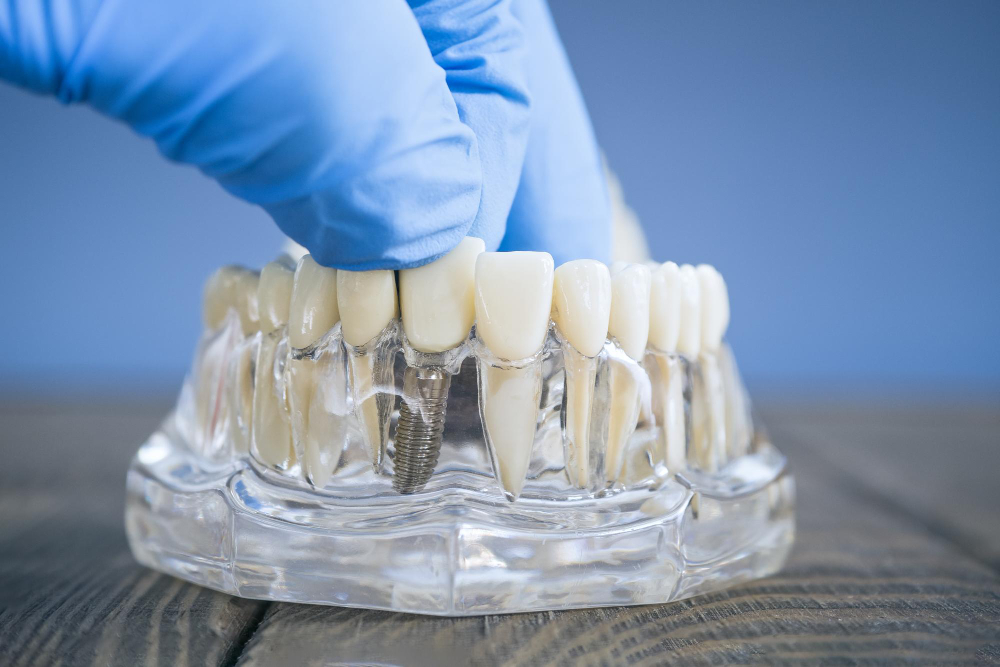
Dental implant timelines vary widely depending on bone health, the need for preparatory procedures, and the body’s healing process. A straightforward case can take three to six months, and more complex cases can extend well beyond nine months. Osseointegration, the phase in which the jawbone fuses with the titanium post, is the longest and most important part of the process. Rushing it compromises the result, which is why the structured timeline exists.
Dental implants are widely regarded as the gold standard for tooth replacement, but the process takes longer than people often expect. Before committing, it helps to know what you’re signing up for at each stage.
At Bright Smiles Dental, we believe an informed patient is a prepared one, which is why we walk through how long a dental implant procedure takes with every patient before treatment begins. The timeline varies, but the reasoning behind it is straightforward.
How Long Does a Dental Implant Take from Start to Finish?
A straightforward case can wrap up in as little as three to six months, while more complex cases involving bone preparation or multiple implants can take nine months or more. The timeline is largely shaped by how your body heals and what prep work your jaw needs before an implant can be placed.
The good news is that dental implants are designed to last a lifetime, so the time you invest upfront pays off for years to come.
What Happens at Each Stage
Here’s a look at the key phases of the implant process and roughly how long each one takes:
- Initial Consultation: Your first visit involves X-rays, imaging, and a thorough review of your oral health. This is where we determine whether you’re a candidate and put together a treatment plan tailored to your needs. In some cases, a follow-up diagnostic visit may be needed before treatment begins.
- Tooth Extraction (If Applicable): If a damaged tooth still needs to be removed before the implant is placed, extraction is the first step. Healing from an extraction can take anywhere from a few weeks to a few months, depending on the condition of the site and how your body responds.
- Bone Grafting (When Needed): Not everyone needs a bone graft, but it’s a common part of the process for patients who’ve had a missing tooth for a while or have experienced some bone loss. A graft adds volume and density to the jaw, providing a stable foundation for the implant. Healing from a bone graft typically takes three to six months before the next step can happen.
- Implant Placement: The surgical placement of the implant post is the centerpiece of the whole process. Under local anesthesia, a small incision is made in the gum, the titanium post is positioned into the jawbone, and the site is sutured closed. The appointment itself usually runs between one and two hours.
- Osseointegration: This is the phase that takes the longest, and it’s also the most important. Osseointegration is the process by which your jawbone gradually fuses to the implant, creating the stable foundation that makes implants so durable. This phase typically takes three to six months. Lower jaw implants tend to integrate a little faster due to higher bone density; upper jaw placements often need more time.
- Abutment Placement: Once osseointegration is complete, a small connector piece called an abutment is attached to the implant. The gum tissue around it is given two to three weeks to heal before the final step.
- Crown Placement: Impressions or digital scans of your mouth are taken to create a custom crown that matches the shape, size, and color of your natural teeth. Once ready, the crown is placed on the abutment, completing your restored smile.
Factors That Can Influence the Dental Implant Timeline
No two patients go through this process in exactly the same way. A few of the things that can affect your personal timeline include:
- Bone health: Denser, healthier bone integrates with implants more predictably and often faster
- Number of implants: Placing multiple implants in one session is possible, but the overall treatment plan may take longer to complete
- Overall health: Conditions like diabetes or habits like smoking can slow healing and extend each phase
- Location in the jaw: Upper jaw placements tend to take longer due to lower bone density near the sinus area
- Need for preparatory procedures: Sinus lifts, bone grafts, or extractions all add time to the front end of treatment
Understanding your own situation is something we work through together at your consultation, so you leave with a clear picture of your personal timeline.
Why the Wait Is Part of What Makes Implants Work
It can feel frustrating to know there are months of healing ahead. However, the waiting periods built into the implant process aren’t filler time. For example, osseointegration is what separates implants from other tooth replacement options.
Because the titanium post bonds directly to the jawbone, it functions like a natural tooth root. It preserves bone, keeps surrounding teeth stable, and provides a foundation that removable options simply cannot replicate.
Skipping or rushing that healing phase would compromise the entire result. The process is structured the way it is because the body needs time to do its part. Our team is with you throughout to monitor progress and ensure everything is healing as it should.
Supporting Your Oral Health Along the Way
Keeping up with your general dentistry appointments during the implant process matters more than many people realize. Cleanings and checkups help catch any issues early and keep the rest of your mouth in good condition. Healthy gums and surrounding teeth contribute directly to how well and how quickly an implant heals.
Good home care habits, including brushing, flossing, and following post-procedure guidelines, also play a significant role in keeping your timeline on track. The implant process requires patience, but it delivers results built to last. From the consultation through to crown placement, our team at Bright Smiles Dental is here to walk you through every phase and answer your questions along the way.
Want to find out what your personal timeline looks like? Reach out to our team today to schedule your consultation.
FAQs
Yes, implants can be placed in both jaws during the same surgical appointment. However, healing timelines may differ since upper jaw placements typically take longer to osseointegrate due to lower bone density in that area.
Crown placement is non-surgical and involves no significant downtime. Some mild sensitivity around the site is normal in the days following placement, but patients can resume normal activity immediately after the appointment.
If an implant fails to fuse properly with the jawbone, it will need to be removed. After sufficient healing, a second attempt is often possible. Factors like smoking, uncontrolled diabetes, or infection are among the most common contributors to integration issues.
