
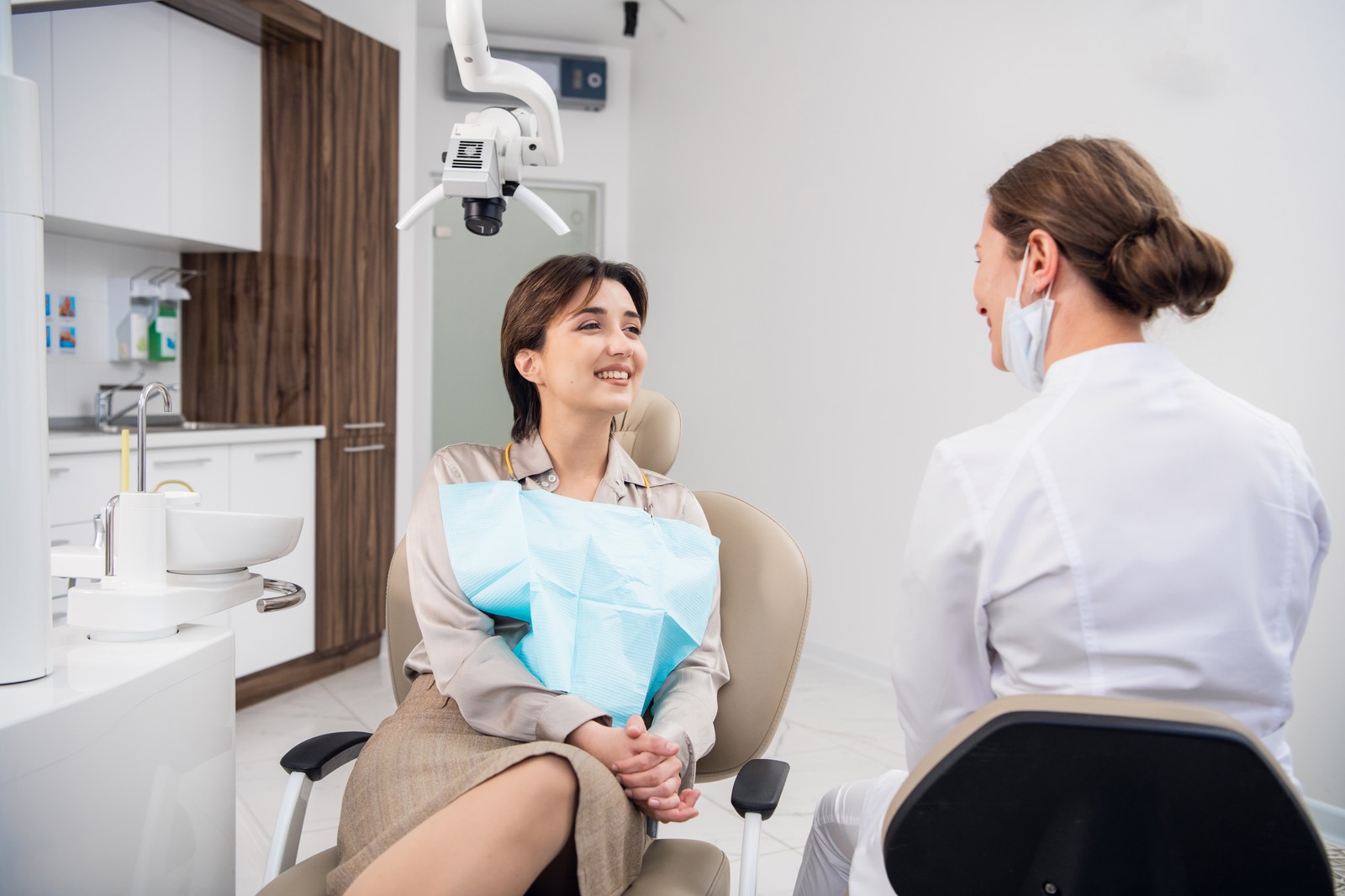


Best dental clinic I have ever been to! Not only is the dental staff extremely nice and polite, but Dr. Mariana Blagoev is such a kind-hearted individual. I was able to witness her transform a friend’s old filling into a new, much improved one with no pain whatsoever. Even though my friend gets extremely anxious around Dentists, Dr. Mariana was able to calm and reassure my friend multiple times, allowing her to feel completely relaxed. I was also happy with how Dr. Mariana took her time with the fillings to ensure absolute perfection, which unfortunately not many dentists do. The new fillings completely transformed my friend’s smile, and thanks to Dr. Mariana, my friend is able to smile confidently now. 100% recommend!
|
Quick Summary Jaw pain, popping sounds, and frequent headaches often point to a temporomandibular joint (TMJ) problem that needs professional attention. Left untreated, TMJ disorders can wear down teeth, strain facial muscles, and disrupt daily comfort. Recognizing these warning signs early helps patients get the right care before the condition worsens. |
Jaw discomfort that lingers for weeks is one of the clearest reasons to schedule a visit with a TMJ dentist. The joint connecting your jawbone to your skull works constantly, so when something goes wrong with it, the effects show up in ways that reach far beyond the mouth.
Some patients first notice the problem during a routine visit for general dentistry, only to learn the tension they felt in their jaw was tied to a joint disorder rather than a dental issue on its own. Below are seven signs that your symptoms deserve a closer look from a specialist.
Persistent Jaw Pain or Soreness
Waking up with a sore jaw once in a while is normal, especially after a stressful week. A pattern of soreness that shows up daily, though, points to something structural.
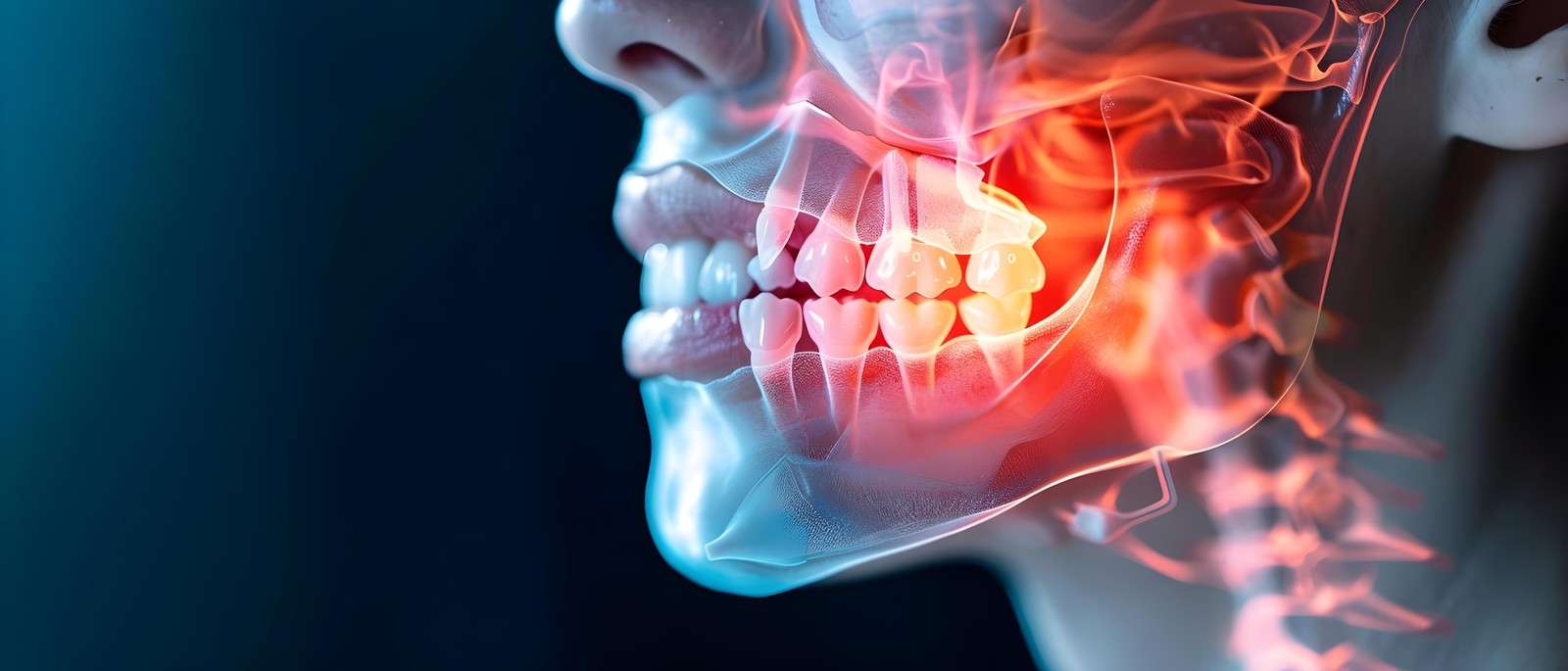
The temporomandibular joint (TMJ) sits just in front of each ear, and when it becomes inflamed or misaligned, the surrounding muscles tighten to compensate. Over time, this tension spreads into the cheeks, temples, and even the neck.
Patients often describe the feeling as a dull ache that worsens by evening or after extended talking or eating.
Clicking, Popping, or Grinding Sounds
A joint that clicks or pops with every bite is signaling that its internal disc has shifted out of place. This sound alone does not always mean pain is present, which is why so many people ignore it for months or years.
Grinding or grating noises, on the other hand, usually point to cartilage wear between the bones of the joint. A dentist trained in jaw disorders can examine the joint’s range of motion and determine whether the sound reflects a minor shift or a deeper structural change.
Frequent Headaches or Migraines
Chronic headaches that concentrate around the temples or behind the eyes are commonly mistaken for tension headaches or sinus trouble.
The muscles used for chewing connect directly to the same nerve pathways involved in headache pain, so a jaw joint under strain can trigger discomfort that feels entirely separate from the mouth.
Patients who have tried multiple headache remedies without success sometimes discover, after a dental exam, that their jaw was the source all along.
Jaw Locking or Limited Movement
A jaw that catches, sticks, or refuses to open fully is one of the more alarming signs of joint dysfunction. This can happen suddenly, mid-conversation or mid-bite, and it often causes a jolt of concern.
In some cases the jaw unlocks on its own after a moment; in others, it stays stuck until manipulated. Either version signals a joint disc that is no longer moving smoothly along its track, and it calls for evaluation rather than a wait-and-see approach.
Ear Pain or Ringing Without Infection
Because the temporomandibular joint sits so close to the ear canal, disorders in that joint frequently produce symptoms that mimic an ear infection. Fullness, ringing, or a dull ache inside the ear, with no accompanying fever or drainage, often traces back to the jaw rather than the ear itself.
Patients sometimes visit their physician first, only to be referred to a dental provider once standard ear treatments fail to resolve the discomfort.
Worn, Cracked, or Chipped Teeth
Grinding and clenching associated with jaw disorders place enormous pressure on the biting surfaces of your teeth. Over months, this pressure flattens molars, chips front teeth, and can even crack a tooth that was otherwise healthy.
A dentist who specializes in restorative dentistry for cracks and chips caused by TMJ can repair the visible damage while also treating the joint problem driving it, so the same wear does not continue after treatment.
Facial Swelling or Muscle Fatigue
Muscles that work overtime to stabilize an unstable joint eventually show visible strain. Some patients notice slight swelling along the jawline by the end of the day, while others feel a fatigue in their cheeks similar to how legs feel after a long run.
This kind of muscular exhaustion rarely resolves with rest alone, since the underlying joint issue continues placing demand on those same muscles day after day.
For patients whose jaw strain has also affected the appearance of their smile, exploring cosmetic dentistry alongside TMJ care can restore both comfort and confidence at the same time.
Why Timing Matters With TMJ Dental Treatment
The signs above rarely appear all at once. Most patients notice one or two symptoms first, and the rest develop gradually as the joint continues to shift out of alignment.
Because of this slow progression, TMJ disorders are often dismissed as unrelated aches rather than recognized as a single, connected condition. A proper evaluation looks at bite alignment, muscle tension, joint sound, and range of motion together, rather than treating each symptom in isolation.
Bright Smiles Dental Is Here When You’re Ready
At Bright Smiles Dental, we know how disruptive jaw pain can be to something as simple as eating lunch or getting through a workday without a headache.
Our team takes the time to look at the full picture of your bite, your joint function, and the wear patterns on your teeth before recommending a path forward.
Every patient who walks through our door gets an honest assessment, not a rushed diagnosis, because a jaw joint problem left untreated tends to grow more expensive and more painful the longer it waits.
We built our practice around multispecialty care specifically so patients never have to bounce between offices for related problems.
If your TMJ symptoms have also chipped a tooth or thrown off the look of your smile, our team can handle the joint treatment and the cosmetic repair in the same practice, on the same treatment timeline.
Waiting on a jaw disorder rarely makes it easier to treat; it usually makes the eventual visit longer and the recovery slower.
If you have any questions about Bright Smiles Dental, please reach out to our team today.
FAQs
Can TMJ disorders go away without treatment?
Mild cases sometimes improve temporarily, but the underlying joint misalignment typically remains and can resurface under stress, illness, or changes in bite pressure.
Is TMJ pain connected to age?
It can affect people of any age, though it appears more frequently in adults between their twenties and fifties due to years of accumulated jaw strain or teeth grinding.
Will insurance cover a TMJ evaluation?
Coverage differs by plan and provider, so it helps to check directly with your insurance company or our office before scheduling your visit.