


Best dental clinic I have ever been to! Not only is the dental staff extremely nice and polite, but Dr. Mariana Blagoev is such a kind-hearted individual. I was able to witness her transform a friend’s old filling into a new, much improved one with no pain whatsoever. Even though my friend gets extremely anxious around Dentists, Dr. Mariana was able to calm and reassure my friend multiple times, allowing her to feel completely relaxed. I was also happy with how Dr. Mariana took her time with the fillings to ensure absolute perfection, which unfortunately not many dentists do. The new fillings completely transformed my friend’s smile, and thanks to Dr. Mariana, my friend is able to smile confidently now. 100% recommend!

|
Quick Summary Certain daily habits and stress responses can intensify jaw joint pain without patients realizing it. Chewing gum, clenching, and poor posture rank among the most common culprits behind flare-ups. Recognizing these patterns gives patients a clearer picture of their symptoms before getting professional evaluation and lasting treatment. |
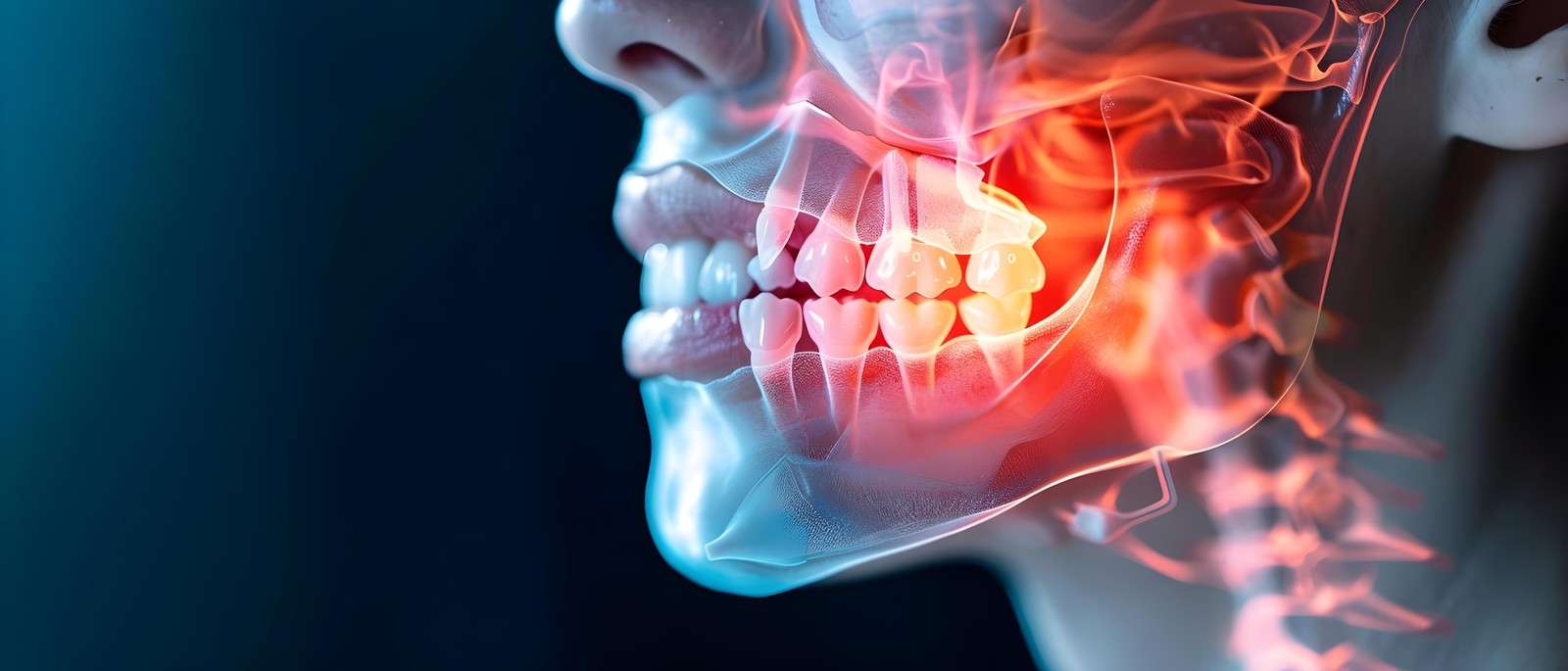
Jaw pain shifts constantly from one day to the next, and identifying things that make TMJ worse is often the first step toward figuring out why symptoms spike during certain weeks and calm down during others.
The temporomandibular joint (TMJ) responds quickly to strain, whether that strain comes from a stressful meeting, a poor night’s sleep, or a habit as small as chewing on a pen cap.
Patients who visit for general dentistry sometimes learn during a routine exam that everyday behaviors have been quietly aggravating a joint problem they didn’t know they had. Below are eight common aggravators and what tends to happen when each one goes untreated.
Chewing Gum Throughout The Day
Gum feels harmless, but repetitive chewing places the jaw joint in constant motion for hours at a time. Muscles that would normally rest between meals stay engaged instead, and that ongoing activity keeps inflammation from settling down.
Patients who chew gum out of habit, rather than for a specific reason, often notice their jaw soreness improves within a couple of weeks simply by cutting out the habit.
Clenching During Stressful Moments
Stress shows up in the body in different ways, and for a large number of people it lands squarely in the jaw. Clenching during a tense phone call or a long commute puts sustained pressure on the joint without any chewing motion at all.
Because this habit often happens without conscious awareness, it can be one of the harder aggravators to catch on your own.
Sleeping On Your Stomach
Stomach sleeping twists the neck to one side for hours, and that position pulls the jaw out of its neutral alignment as well. Over a full night, this sustained rotation places uneven pressure on one side of the joint, which can leave that side sorer than the other by morning.
Side or back sleeping keeps the neck and jaw in a more neutral line and tends to reduce this particular strain.
Eating Hard or Chewy Foods
Foods like ice, hard candy, tough steak, and thick bagels demand a range of motion and considerable bite force. For a joint that is already inflamed, this extra workload can turn a manageable ache into sharp pain within a single meal.
Softer alternatives during a flare-up give the joint a chance to calm down rather than continually reopening the irritation.
Resting Your Chin On Your Hand
Sitting at a desk with your chin propped on your palm for long stretches applies steady outward pressure on the jaw. This posture is common during long work sessions or video calls, and most people never connect it to their jaw discomfort.
Over months, this repeated pressure can contribute to gradual shifts in joint alignment.
Poor Posture At A Desk Or While Driving
A forward head position, common with laptop use and long drives, changes how the muscles in the neck and jaw work together. When the head sits ahead of the shoulders instead of stacked above them, the jaw muscles have to work harder to keep the mouth in a resting position.
This added muscular demand compounds existing joint strain and can make TMJ symptoms feel worse by the end of the day.
Skipping Dental Visits After Jaw Trauma
An injury to the jaw, whether from a fall, a sports collision, or an old accident, can leave lasting effects on the joint even after the initial pain fades. Skipping a follow-up evaluation means any misalignment from the injury goes uncorrected, and small problems tend to compound over time.
Teeth that crack or chip from years of resulting joint strain often need restorative dentistry for cracks and chips caused by TMJ long after the original injury is forgotten.
Ignoring Early Symptoms
Mild clicking or occasional soreness rarely feels urgent, so it gets pushed aside in favor of more pressing daily concerns. Left unchecked, though, small symptoms tend to grow into daily discomfort as the joint continues shifting further from its healthy position.
Patients whose untreated TMJ symptoms have altered the look of their bite or smile sometimes turn to cosmetic dentistry later on to restore what years of strain gradually changed.
What Makes TMJ Worse Before It Escalates?
None of these habits cause permanent damage on their own in a single day. It’s the accumulation, the same clenching pattern repeated across months or the same sleeping position held night after night, that pushes a manageable joint issue toward a painful one.
Paying attention to which habits line up with your worst symptom days gives you useful information to bring into a dental evaluation, even though habit changes alone rarely resolve a joint disorder that has already progressed.
Getting Ahead Of TMJ Before It Gets Worse
At Bright Smiles Dental, we hear from patients regularly who spent months adjusting their sleeping position or cutting out gum before finally scheduling an exam. By then, the joint had often shifted further than it would have with earlier care.
There’s real value in noticing your own patterns, and there’s also a limit to what habit changes can fix once a joint problem has taken hold. Our team looks at bite alignment, joint sound, and muscle tension together so you get a clear answer instead of a guess about which habit is actually to blame.
Waiting doesn’t simplify a TMJ case. The patients who come in early, before symptoms interfere with sleeping or eating, tend to have more treatment options available to them than those who wait until the pain becomes constant.
If a habit on this list sounds familiar, that recognition is worth acting on rather than monitoring indefinitely.
If you have questions about your symptoms or want to schedule a jaw evaluation, feel free to touch base with our office.
FAQs
Can stress alone cause a TMJ disorder?
Stress rarely causes TMJ on its own, but it frequently intensifies clenching and grinding patterns that put existing joint problems under greater strain.
How long does it take for a habit change to reduce TMJ symptoms?
Some patients notice mild improvement within two to three weeks of adjusting a specific habit, though joint issues that have progressed further usually need professional treatment alongside any lifestyle changes.
Are TMJ flare-ups more common at certain times of year?
Many patients report increased symptoms during high-stress seasons, such as the holidays or exam periods, when clenching and poor sleep both tend to increase.