


Best dental clinic I have ever been to! Not only is the dental staff extremely nice and polite, but Dr. Mariana Blagoev is such a kind-hearted individual. I was able to witness her transform a friend’s old filling into a new, much improved one with no pain whatsoever. Even though my friend gets extremely anxious around Dentists, Dr. Mariana was able to calm and reassure my friend multiple times, allowing her to feel completely relaxed. I was also happy with how Dr. Mariana took her time with the fillings to ensure absolute perfection, which unfortunately not many dentists do. The new fillings completely transformed my friend’s smile, and thanks to Dr. Mariana, my friend is able to smile confidently now. 100% recommend!
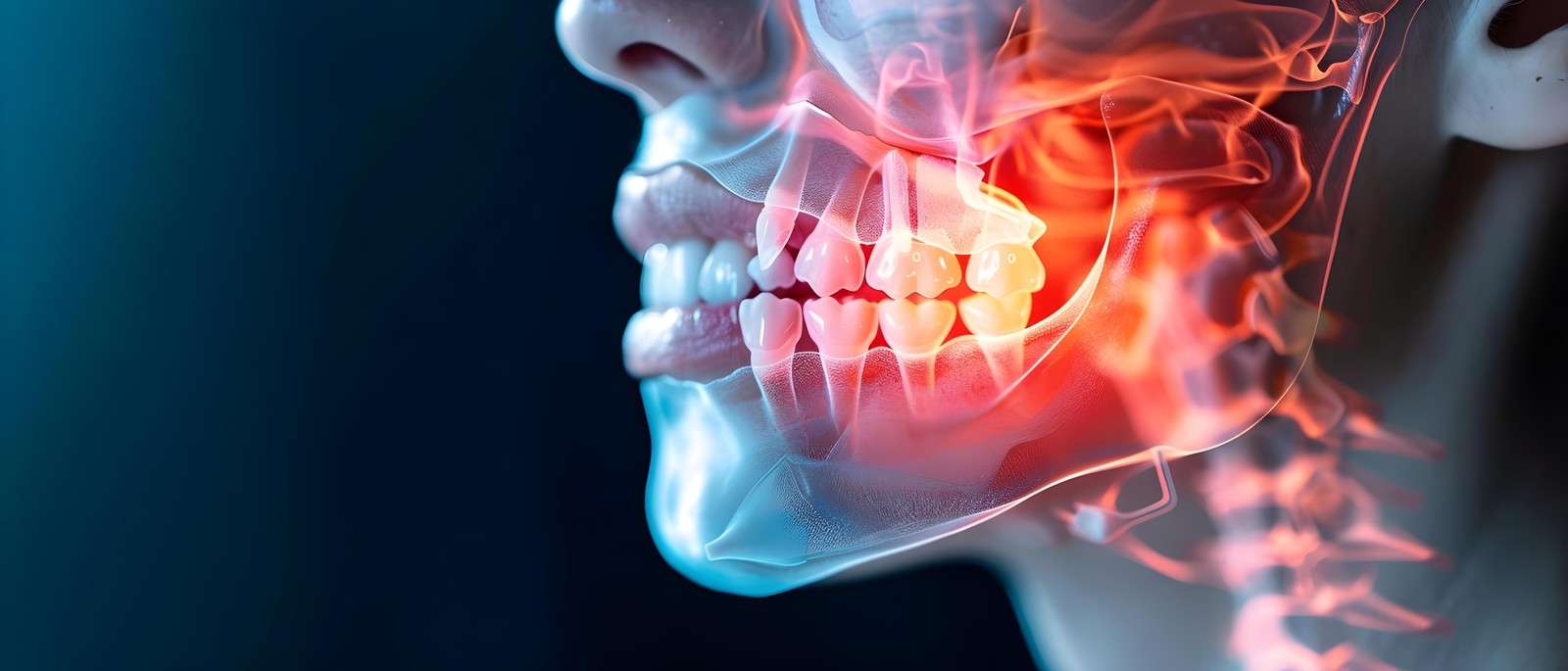
Tooth damage, decay, or missing teeth can affect how you eat, speak, and feel about your smile each day. Many patients want clear answers before agreeing to treatment, especially when options sound unfamiliar or overwhelming. This guide explains common restorative dental procedures in simple, patient-friendly language, so you know what each option does and when it may help. Understanding how these treatments work allows you to make informed decisions with confidence. Each section below focuses on restoring comfort, function, and long-term oral health in a practical way.
Dental Fillings
Small areas of decay or surface damage often develop quietly, yet they can interfere with comfort and chewing if ignored. Dental fillings address these early issues by removing compromised material and restoring the tooth’s original shape. This approach helps stabilize the bite and protects surrounding enamel from further breakdown. Many patients appreciate that treatment is straightforward and focused on preserving as much natural tooth structure as possible during everyday oral function.
Materials used today allow the repaired area to blend naturally with the rest of the tooth, which supports both function and appearance. After decay is carefully removed, a small void remains where the damaged tooth structure once was. This space is then filled to restore the tooth’s shape and strength, which often reduces sensitivity and makes eating and drinking more comfortable again. Early care also reduces the chance that a simple issue becomes more complex later. For many patients, fillings represent a practical step toward maintaining consistent oral comfort and reliable daily performance.
Root Canal Therapy
Deep discomfort often starts when infection reaches the inner portion of a tooth, where nerves and blood vessels react strongly to pressure and bacteria. Treatment focuses on removing the infected tissue, cleaning the inner space, and sealing it to prevent further spread. Relief usually follows because the source of pain is addressed directly. Keeping the natural tooth in place also helps maintain proper bite balance and avoids changes that can affect surrounding teeth.
After the inner portion is treated, additional restoration supports strength and daily function. Chewing feels more comfortable, and sensitivity typically decreases as healing progresses. Many patients are surprised by how manageable the process feels once they understand what is involved. Addressing infection promptly also protects overall oral health, making this option an effective way to restore comfort while preserving the natural tooth structure for long term use.
Dental Crowns
Loss of strength can occur when a tooth has experienced extensive decay, cracking, or repeated dental work over time. Coverage with a custom restoration helps reinforce the remaining structure so normal chewing pressure feels comfortable again. This approach restores shape and height, which supports proper bite alignment and reduces uneven wear on surrounding teeth. Many patients find that daily activities feel more predictable once stability returns and sensitivity no longer interrupts meals or conversations.
Materials used for this restoration are selected to balance durability with a natural appearance that blends with neighboring teeth. Comfort improves as the tooth regains full function without shifting or strain. Long-term protection also lowers the chance of future fractures or discomfort related to structural weakness. With proper care and regular visits, this solution supports reliable performance and confidence during everyday routines and social interactions.
Dental Bridges
Gaps left by missing teeth can change how pressure moves across the bite, which may affect comfort during eating and speaking. A fixed replacement option restores balance by filling the open space and supporting nearby teeth that might otherwise shift out of position. Bite alignment often improves once spacing is corrected, making chewing feel steadier and more controlled. Many patients also notice clearer speech and a more natural smile appearance as function returns to normal.
Support comes from adjacent teeth, which allows the replacement to stay secure during daily activities. Care focuses on consistent hygiene and routine monitoring to protect both the restoration and the surrounding teeth. With proper maintenance, this option helps preserve spacing, reduce uneven wear, and maintain oral stability. Patients often appreciate how this approach restores function without relying on removable appliances for dependable everyday use.
Dental Implants
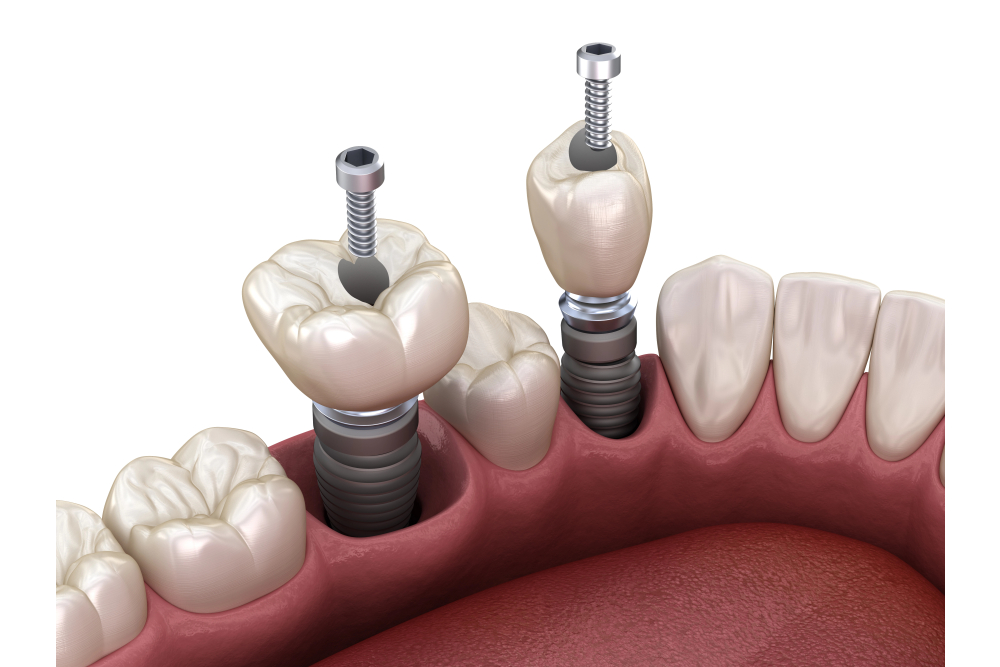
Tooth loss can affect chewing efficiency, jaw balance, and comfort during everyday activities. This treatment replaces both the visible tooth and its supporting root, which creates a stable foundation within the jaw. Pressure is distributed more evenly while eating, helping nearby teeth function without added strain. Many patients find that this option feels secure and natural during speech and meals, which supports confidence in social and professional settings.
Support at the jaw level also helps maintain bone structure over time, which plays a role in facial balance and long-term oral stability. The replacement tooth is shaped to match surrounding teeth, allowing it to blend seamlessly with the smile. Care follows familiar hygiene routines, making daily maintenance straightforward. For patients seeking a fixed solution, this approach offers reliable performance and comfort once healing is complete.
Bringing Your Smile Back to Comfort and Confidence
Daily comfort, clear speech, and confident smiles often depend on how well teeth function together. The procedures discussed above focus on repairing damage, replacing missing teeth, and restoring balance across the bite. Each option addresses specific concerns while supporting long-term oral health and predictable daily routines. Understanding these treatments helps you recognize when care may be helpful and why timing matters. With the right approach, restorative care supports eating, speaking, and smiling without ongoing discomfort or uncertainty.
Care at Bright Smiles Dental centers on personalized treatment planning and comprehensive solutions for restorative needs. Our team provides dental fillings, crowns, root canal therapy, bridges, and dental implants, along with preventive and cosmetic services that support overall oral health. Modern technology, a state-of-the-art setting, and a bilingual staff allow clear communication and comfortable care for every patient. Flexible financing options also help make treatment more accessible, so decisions feel manageable rather than stressful.
Ready to talk about restorative dental procedures? Contact us today and let us help you take the next step toward a healthier smile.
