

Best dental clinic I have ever been to! Not only is the dental staff extremely nice and polite, but Dr. Mariana Blagoev is such a kind-hearted individual. I was able to witness her transform a friend’s old filling into a new, much improved one with no pain whatsoever. Even though my friend gets extremely anxious around Dentists, Dr. Mariana was able to calm and reassure my friend multiple times, allowing her to feel completely relaxed. I was also happy with how Dr. Mariana took her time with the fillings to ensure absolute perfection, which unfortunately not many dentists do. The new fillings completely transformed my friend’s smile, and thanks to Dr. Mariana, my friend is able to smile confidently now. 100% recommend!

|
Quick Summary Knowing when to seek emergency dental care can help prevent serious complications and protect your oral health. Warning signs include severe tooth pain, knocked-out teeth, facial swelling, uncontrolled bleeding, loose permanent teeth, abscesses, and significant tooth fractures. Persistent bad breath and mouth sores that do not heal may also require professional evaluation. Acting quickly often improves treatment outcomes and reduces the risk of tooth loss or infection. Regular dental exams and timely gum disease treatment can help reduce the likelihood of many dental emergencies. |
A tooth injury, sudden swelling, or severe oral pain can escalate faster than many people realize. Knowing when to seek emergency dental care can help prevent complications that affect your comfort, oral health, and even your overall well-being. While some dental concerns can wait for a scheduled appointment, others require prompt attention to reduce the risk of infection, tooth loss, or extensive treatment.
Understanding the warning signs allows you to act quickly, protect your smile, and receive the care needed before a manageable problem becomes a much larger one.
Persistent Tooth Pain That Does Not Improve
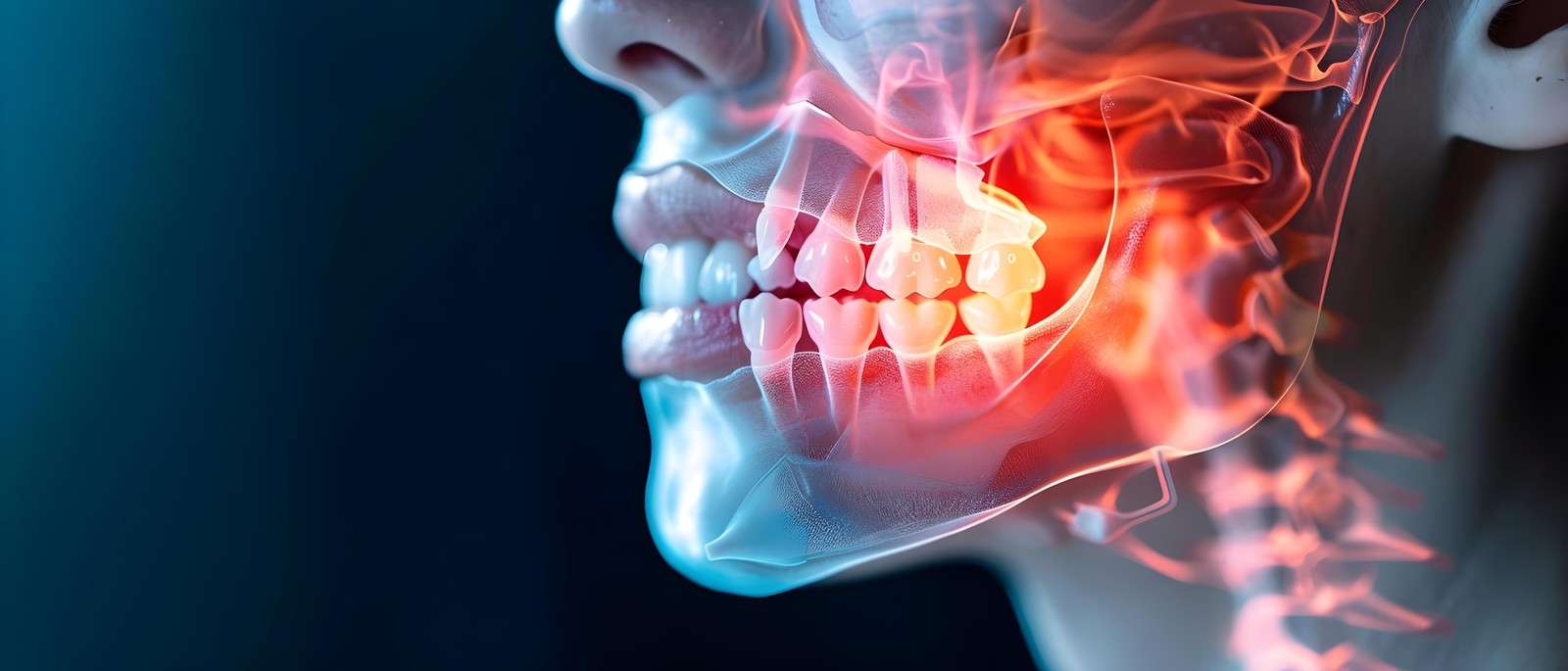
A toothache is one of the most common reasons people seek urgent dental treatment. Mild sensitivity may not require immediate attention, but persistent pain that interferes with daily activities often signals a deeper problem.
Pain can result from advanced decay, a cracked tooth, an infection, or inflammation inside the tooth. When discomfort continues despite over-the-counter pain medication, professional evaluation becomes necessary. Delaying treatment may allow the underlying issue to worsen, increasing the likelihood of more extensive procedures.
Many patients ask when is it a dental emergency if the pain comes and goes. In general, severe or recurring pain should never be ignored because it often points to a condition that will not resolve on its own.
A Knocked-Out Tooth Requires Immediate Action
Few dental situations demand faster action than a knocked-out tooth. The first hour after the injury often determines whether the tooth can be saved.
If an adult tooth becomes dislodged, handle it by the crown rather than the root. Gently rinse away dirt without scrubbing the surface. If possible, place the tooth back into the socket. If reinsertion is not possible, store it in milk or saliva until you reach a dental office.
Prompt treatment greatly improves the chances of preserving the natural tooth. Waiting too long can reduce those chances significantly and may lead to permanent tooth loss.
Visible Swelling in the Face, Jaw, or Neck
Swelling around the mouth or jaw often indicates an infection that requires immediate attention. Dental abscesses can develop when bacteria enter damaged tooth structures or gum tissue. As the infection progresses, swelling may spread beyond the affected area.
Facial swelling accompanied by fever, difficulty swallowing, or difficulty breathing requires urgent medical evaluation. In severe cases, untreated infections can affect surrounding tissues and create serious health concerns.
A cold compress may help reduce discomfort temporarily, but professional treatment remains necessary to address the source of the infection.
Bleeding That Does Not Stop
Minor bleeding after brushing, flossing, or dental treatment may not be cause for alarm. However, continuous bleeding that does not improve after applying firm pressure requires prompt care.
Oral injuries involving the gums, lips, cheeks, or tongue can result in significant blood loss. Applying clean gauze to the affected area may help control bleeding while you arrange treatment.
When bleeding persists despite these efforts, immediate professional evaluation is warranted. Severe bleeding can indicate extensive tissue damage or another underlying problem that requires urgent intervention.
A Loose Permanent Tooth
Adult teeth should remain firmly anchored within the jawbone. If a permanent tooth begins to feel loose, something has affected the structures that hold it in place.
Trauma, infection, and advanced periodontal disease are among the most common causes. A loose tooth may shift during eating or speaking, and it can become increasingly unstable without treatment.
Prompt care may help preserve the tooth and address the underlying issue before additional damage occurs. Waiting too long can make treatment more complicated and may increase the likelihood of tooth loss.
An Abscess or Pimple-Like Bump on the Gums
An abscess often appears as a swollen area or small bump on the gums near an infected tooth. Many people also notice a persistent bad taste in the mouth or drainage from the affected area.
This type of infection requires professional treatment because bacteria can spread beyond the immediate site. Pain may fluctuate, but the infection remains active even when symptoms temporarily improve.
Depending on the severity of the condition, treatment may involve draining the infection, medication, or procedures designed to preserve the tooth. In some situations, a root canal may be recommended to remove infected tissue and prevent extraction.
Preventive Care Reduces Emergency Situations
Many dental emergencies begin as manageable problems that worsen over time. Routine dental exams help identify decay, fractures, worn restorations, and early signs of infection before symptoms become severe.
A general dentist can detect concerns that are not yet visible or painful, allowing treatment before complications develop. Regular evaluations also help patients maintain healthier teeth and gums throughout life.
Patients who stay consistent with preventive care often face fewer urgent dental situations and enjoy better long-term oral health.
Healthy Gums Play an Important Role
The condition of your gums affects the stability of your teeth and the health of surrounding tissues. Untreated gum infections can contribute to swelling, bleeding, loose teeth, and oral discomfort.
Professional gum disease treatment helps control infection and protect the structures that keep teeth secure. Addressing periodontal concerns early can reduce the likelihood of serious complications and improve overall oral health.
Take Urgent Symptoms Seriously
Dental emergencies rarely improve without professional attention. Severe pain, swelling, infections, loose teeth, and traumatic injuries often become more complicated when treatment is delayed. Understanding the warning signs allows you to respond quickly, protect your oral health, and reduce the risk of permanent damage. Acting early often leads to simpler treatment and better outcomes.
At Bright Smiles Dental, we help patients address urgent dental concerns with prompt, compassionate care. Schedule an appointment with our team today to receive timely treatment if you are experiencing severe pain, swelling, a damaged tooth, or another dental emergency.
FAQs
A toothache that is severe, persistent, causes swelling, or interferes with daily activities should be evaluated promptly by a dental professional.
If swelling affects breathing or swallowing, seek immediate medical attention. Otherwise, contact an emergency dentist as soon as possible for evaluation and treatment.
In some cases, prompt treatment can help save a loose permanent tooth. The outcome depends on the cause and how quickly care is received.
Not always. However, immediate care may be necessary if the tooth becomes painful, highly sensitive, or develops sharp edges that injure soft tissues.